
Essential details
Quantity(pieces):1
MOQ:500m2/colour/wood type
Shipping:Ocean freight
Specification Number:JT-BAMBOO-50MM
Package Description:customized package
Product Introduction
√ Real Solid Wood
√ Valance Colour Matched
√ Bottomrails Colour Matched
√ Slats Colour Matched Delta LAB<1
√ Ladders/Cords/Ladder Tapes/Tassels/Cord Condensors/Installation Brackets Colour Matched
√ Headrail Low Profile/High Profile Available
√ Ready-Made Spec.&Package available
√ Cut-Down Spec. &Package available
√ Cords system/Cordless system/Motorized System available
√ Valance Colour Matched
√ Bottomrails Colour Matched
√ Slats Colour Matched Delta LAB<1
√ Ladders/Cords/Ladder Tapes/Tassels/Cord Condensors/Installation Brackets Colour Matched
√ Headrail Low Profile/High Profile Available
√ Ready-Made Spec.&Package available
√ Cut-Down Spec. &Package available
√ Cords system/Cordless system/Motorized System available


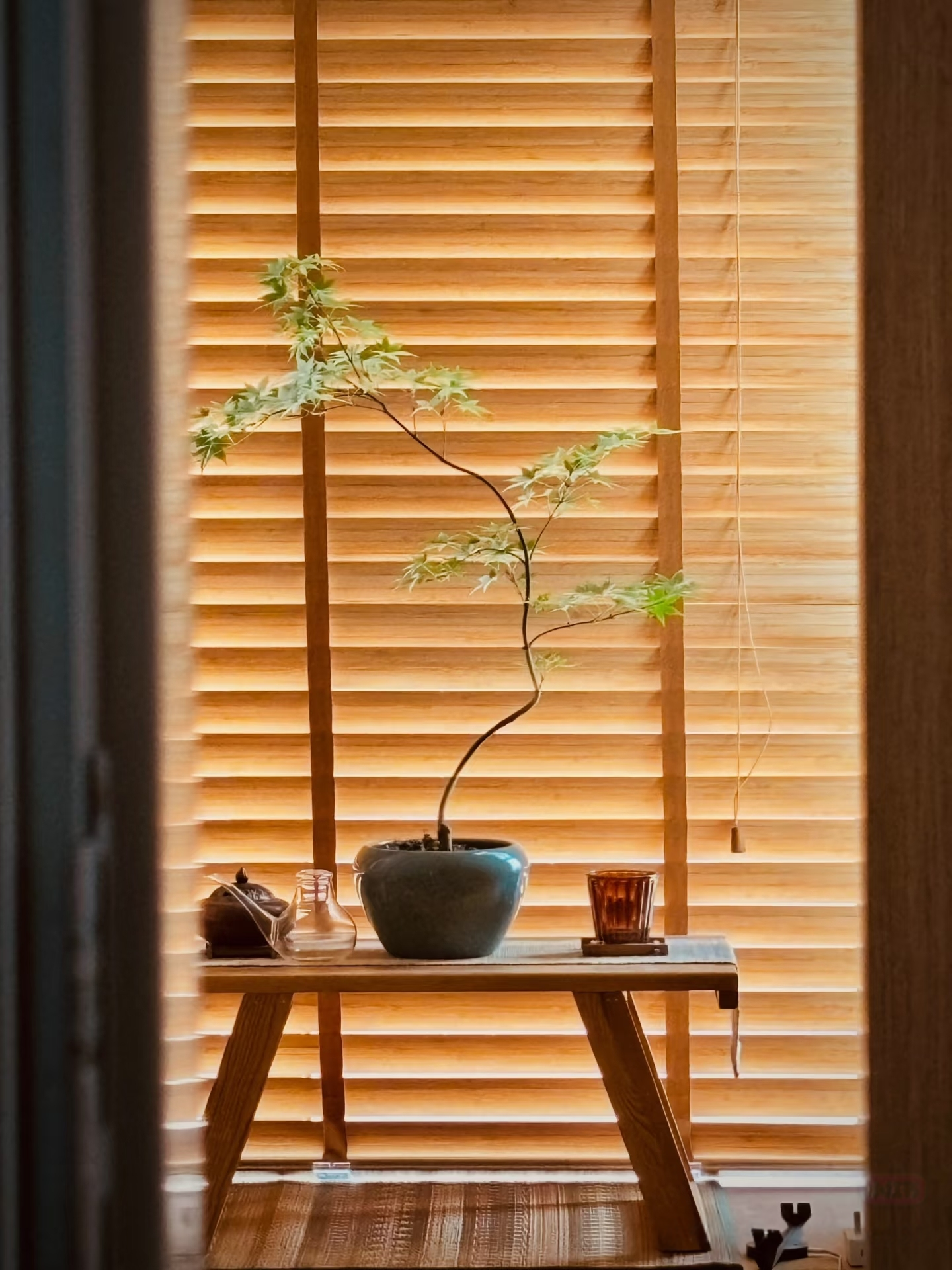
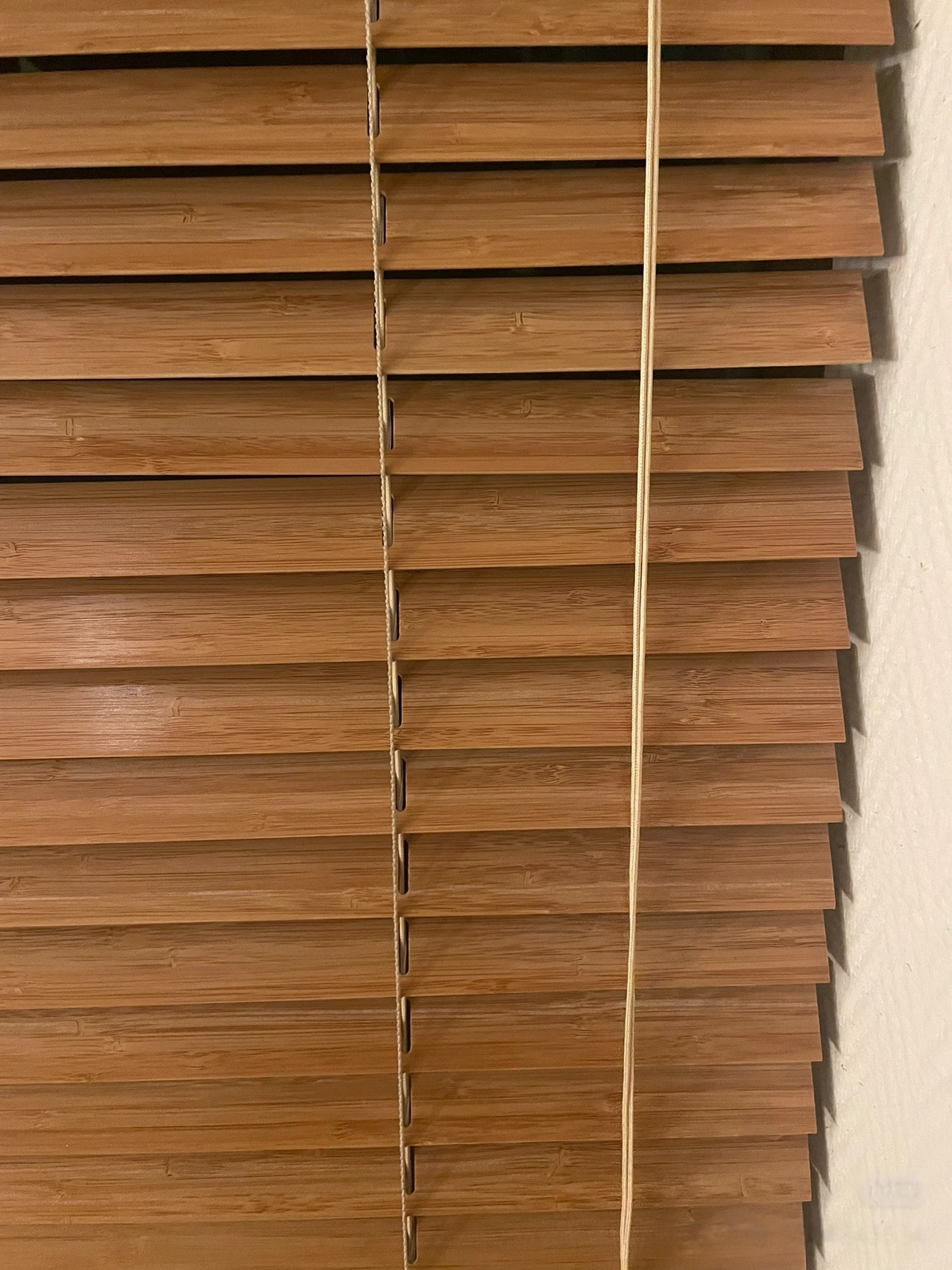
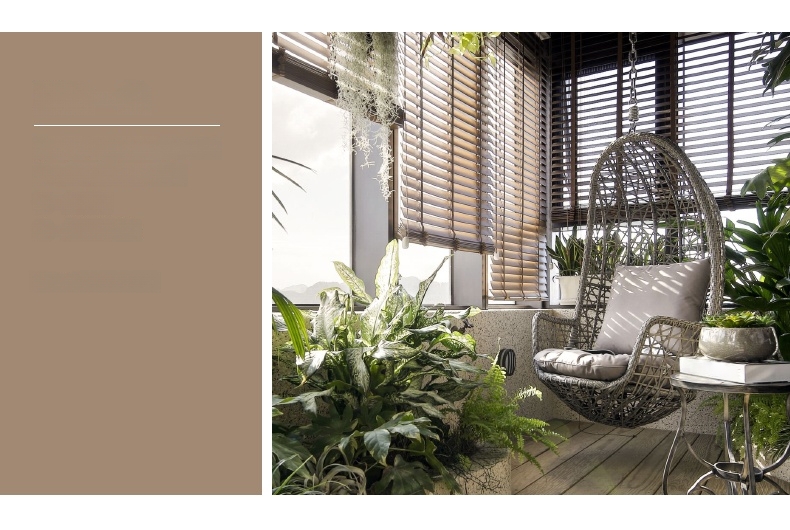
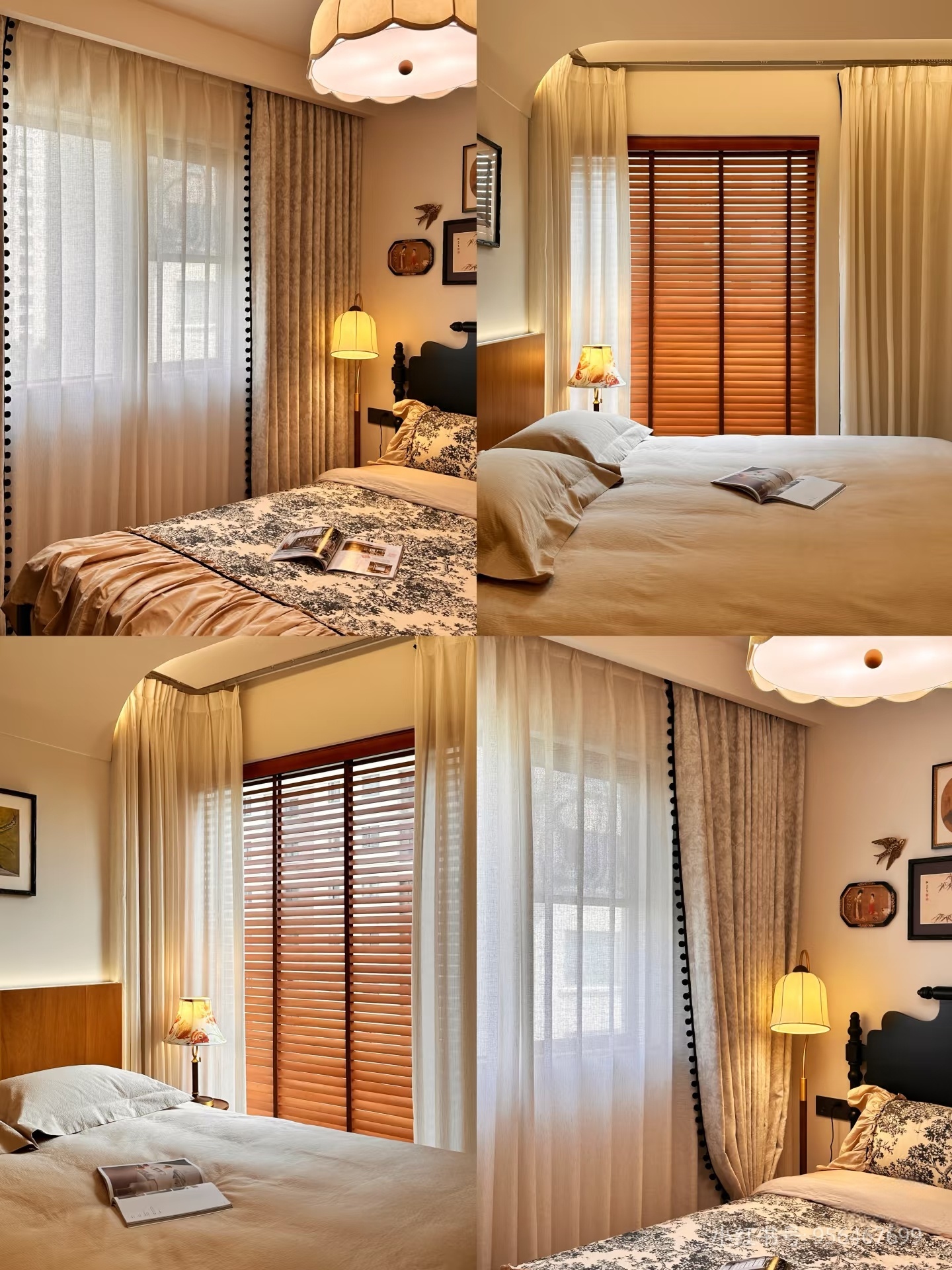
1. Why are bamboo blinds considered a renewable resource?
Bamboo is one of the fastest-growing plants globally, maturing in just 3-5 years—far quicker than traditional hardwood trees that take decades to grow . Unlike hardwood logging that often leads to deforestation, bamboo can be harvested sustainably without killing the parent plant, as it regrows naturally from its root system . Additionally, bamboo requires minimal water, no pesticides, and no artificial irrigation to thrive, making its cultivation environmentally low-impact . At the end of their lifecycle, bamboo blinds are biodegradable, decomposing naturally without leaving harmful toxins or contributing to landfill waste .
2. What makes the grain and line sense of bamboo blinds unique?
Each bamboo blind boasts one-of-a-kind natural grain patterns, as the material is often hand-woven or crafted from real bamboo slats . The subtle variations in color, texture, and grain—from light honey tones to rich browns—add organic character, ensuring no two blinds are identical . The clean, vertical lines of slatted bamboo blinds or the intricate woven textures of roll-up styles create a sense of architectural depth, enhancing both modern and traditional interiors . These natural lines soften harsh room edges, infusing spaces with warmth and a connection to nature, while wide slat options (e.g., 2-inch designs) highlight the material’s handsome grain for a polished look .
3. How easy is it to maintain bamboo blinds, and what’s the best way to clean them?
Bamboo blinds are exceptionally low-maintenance, making them ideal for busy households . For daily upkeep, regular dusting with a soft cloth, feather duster, or vacuum cleaner with a brush attachment is sufficient to remove surface debris . For deeper cleaning, gently wipe the slats or woven surface with a slightly damp cloth—avoid soaking the bamboo, as excess moisture can cause warping or damage . Thanks to bamboo’s natural durability and moisture resistance, the blinds are also suitable for high-humidity areas like bathrooms and kitchens, resisting fading and deformation with proper care . Most bamboo blinds are designed to be stain-resistant, and minor spills can be wiped away immediately without leaving lasting marks .
4. Do the natural grain and lines of bamboo blinds complement different interior styles?
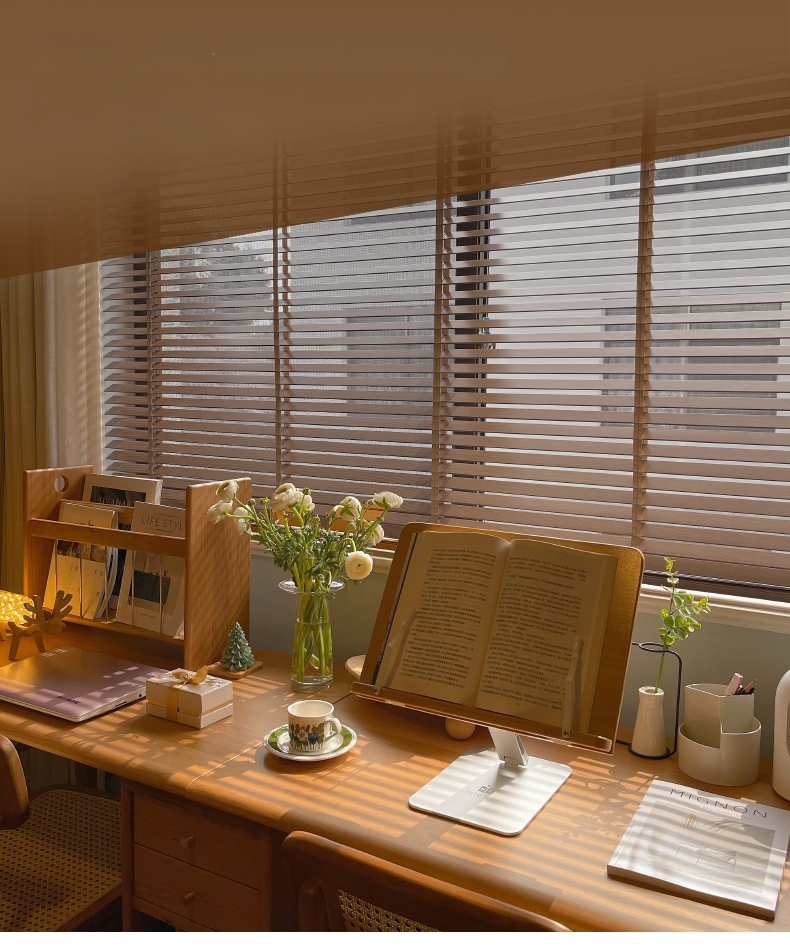
Absolutely. Bamboo blinds’ versatile aesthetic allows them to seamlessly blend with various decor themes . Their natural grain and soft lines add a rustic charm to farmhouse or bohemian spaces, while sleek, cordless designs with clean slats elevate modern or minimalist rooms . For traditional interiors, stained bamboo blinds can match wood moldings or flooring, creating a cohesive look . Whether used in bedrooms, living rooms, offices, or patios, the organic texture and neutral tones of bamboo blinds enhance the space without cluttering it, acting as both a functional window treatment and a decorative accent .
5. Are bamboo blinds more environmentally friendly than other blind materials?
Yes, bamboo blinds outperform many alternatives in sustainability . Compared to synthetic materials like plastic or vinyl (which are derived from non-renewable fossil fuels and non-biodegradable), bamboo is a 100% natural, renewable resource . Unlike faux wood blinds that may contain toxic chemicals or adhesives, bamboo blinds are often free from harmful substances like formaldehyde, promoting better indoor air quality . Even when compared to real wood blinds, bamboo’s faster growth rate and sustainable harvesting methods make it a more eco-conscious choice, reducing pressure on endangered forests .
6. Will the grain or color of bamboo blinds fade over time?
High-quality bamboo blinds are engineered to resist fading, even with prolonged sunlight exposure . The natural oils in bamboo provide inherent protection against UV rays, and many products are treated with non-toxic finishes to enhance durability . While slight color changes may occur over years of use (a natural aging process), this often adds to the blinds’ character rather than detracting from their appearance . To minimize fading, avoid direct, intense sunlight for extended periods where possible, or choose light-filtering bamboo blinds that soften UV exposure while preserving the material’s integrity .
7. Can bamboo blinds be customized to fit different window sizes and design preferences?
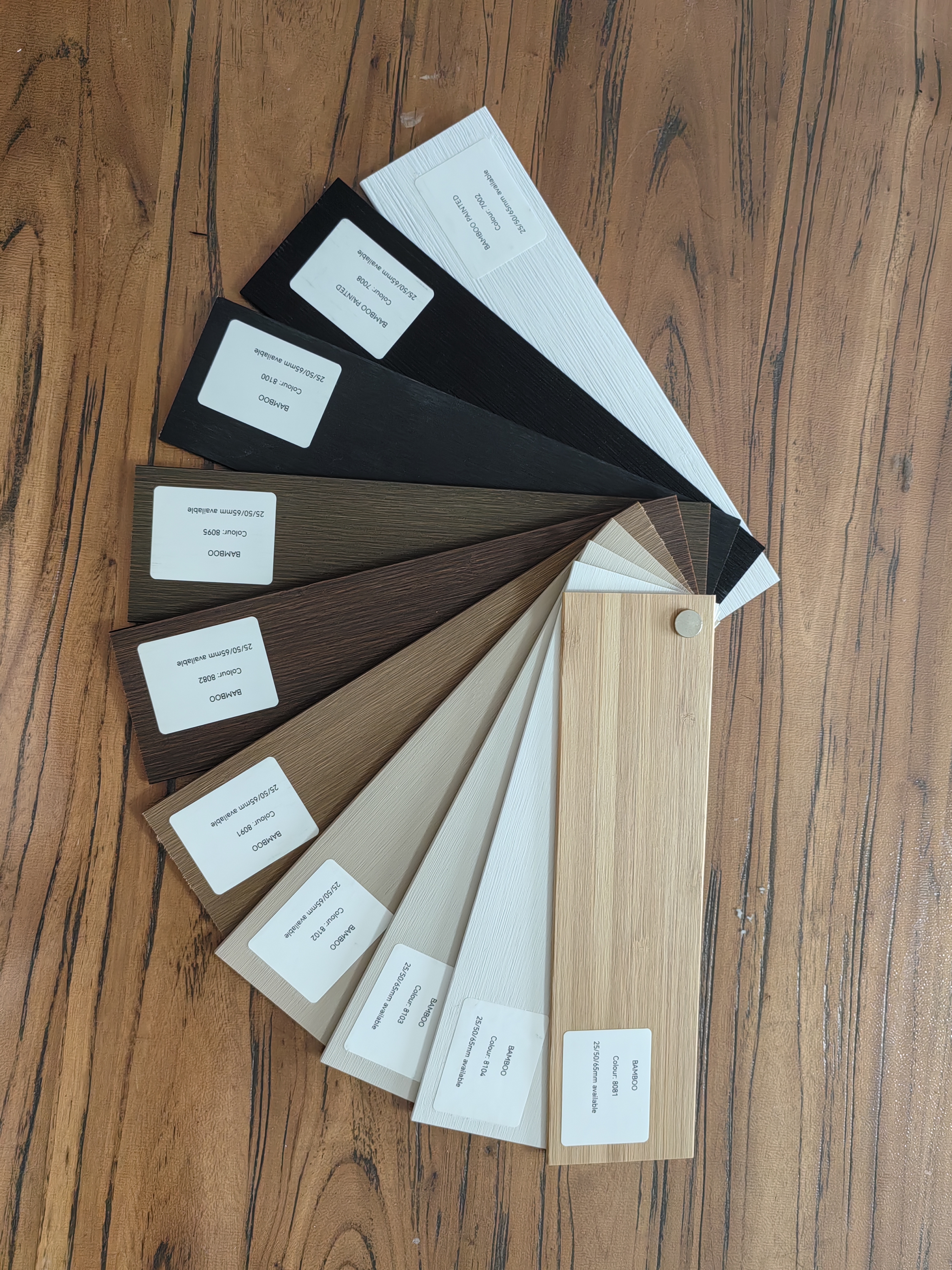
Yes, bamboo blinds offer excellent customization options . They are available in various sizes, from standard dimensions to custom cuts for irregular or large windows (e.g., floor-to-ceiling designs) . You can choose between slatted venetian styles (with 2-inch, 35mm, or 50mm slats) or woven roll-up shades, depending on your desired line sense and light control . Color options range from natural earthy tones to stained finishes (e.g., white, black, dark brown), allowing you to match your decor . Additional customizations include cordless or motorized operation for convenience and safety, as well as matching valances or headrails for a polished look .


